The holiday season is a time of sensory delight: festive lights, family gatherings, and the cozy scent of pine and spices. It has also come to be known as the “giving season,” driving a welcome surge in charity and volunteerism.
Yet, this period has become increasingly dominated by commercialism. Following a day of gratitude (Thanksgiving), we plunge into the frantic consumerism of Black Friday and Cyber Monday. Then the sudden pivot to charity on Giving Tuesday creates a surreal contrast, a jarring whiplash between excessive materialism and profound generosity.
We've all seen the social media memes: children tearing open gifts followed by discontent. The rush to return items the day after Christmas. The stress of parents who hide their hard work by attributing gifts to Santa Claus. What if this season were less about receiving and more about meaningful giving to others, perhaps even making gifts instead of buying them? For many families, providing gifts is a true sacrifice. Wouldn't our children cultivate a more profound sense of appreciation and value if they knew their gifts came from their parents' hard work and love, rather than a magical Santa Claus?
For me, Christmas centers on Christ, whose message was about love, sacrifice, and service to humanity. What would happen if we collectively focused on modeling and participating in genuine giving and service?
Service begins at home. Today, volunteerism is often viewed as a resume builder for college, rather than as a fundamental way to contribute to the family and community.
For this article, I focus on volunteering: an act of service that benefits others or the community, given for no financial or social gain. It is about anticipating needs and fulfilling them, purely for the sake of caring. Modeling this spirit early ensures that giving back becomes a natural, lifelong practice for our children.
Why Cultivate a Spirit of Service?
Service is transformative:
Builds Character and Empathy: As Gandhi said, “The best way to find yourself is to lose yourself in the service of others.” Service requires compassion and patience, helping us hone our strengths and develop deep empathy.
Improves the World: Serving others makes the world better for all of us and future generations.
Fosters Human Connection and Life Skills: Serving connects us with people from diverse backgrounds through shared values, thereby cultivating essential life skills such as problem-solving, critical thinking, and resilience.
Provides Spiritual Well-being and Purpose: Service counters loneliness, stress, and anxiety, giving our lives profound meaning.
Growing up, service was an essential part of my family's life, which motivated me to cultivate it in my children. The impact has been profound, and service is part of my children’s identity, informing their choices and opening doors to leadership opportunities.
Simple Ways to Cultivate Service
Start at Home: A family is like the human body; every part must contribute to keep the whole healthy. We involved our children in all aspects of household service (cooking, cleaning), viewing it as our contribution to the family unit.
Find Opportunities in Your Community: As Muhammad Ali wisely stated, “Service to others is the rent you pay for your room here on earth.” Look for local soup kitchens, neighborhood clean-up days, or community gardens. Serving together is a fun and fulfilling way to connect as a family.
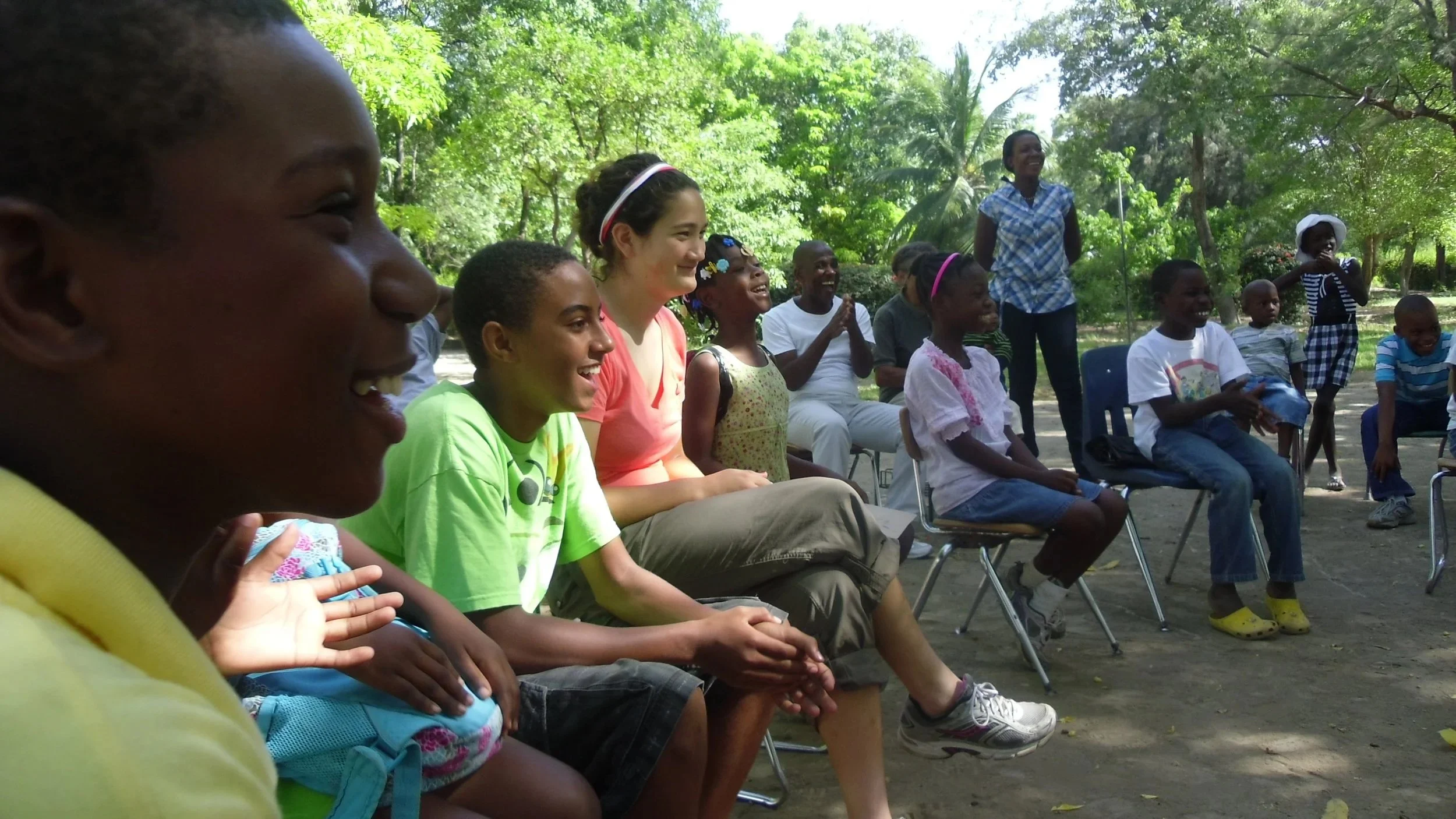
Travel to Serve (If Feasible): Traveling with the specific goal of volunteering is transformative. Observing people in less fortunate communities find joy despite having so little teaches a powerful lesson in gratitude.
A Shift in Focus
Service doesn’t require a significant event or travel. Simple acts of kindness performed every day add richness to life. As the giving season peaks, let us redefine the focus for our children and shift the emphasis from the commercial frenzy of gift-receiving to the profound satisfaction and character-building power of service and giving.
What ways can you and your family genuinely engage in community service this holiday season? How can we shift the emphasis from Santa Claus to Christ? Let’s take that giving spirit into the new year and make it a part of our daily practice. Sometimes, a simple smile is an act of service to someone who needs it.
I’d love to hear from you! What are some of the ways you and your family cultivate an attitude of service? Share your favorite tips and rituals in the comments below!
Originally published December 3, 2025 at necspace.org