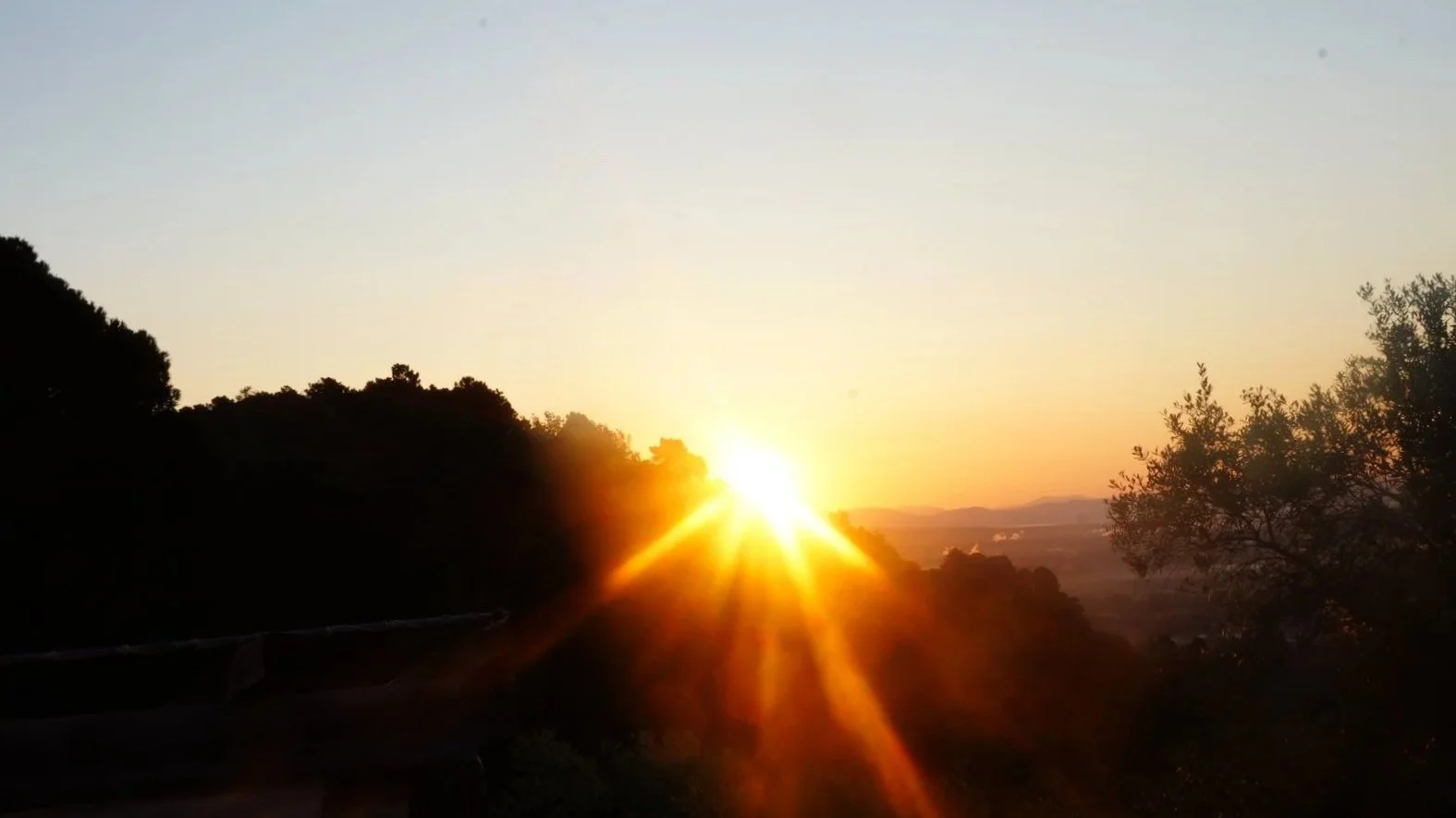
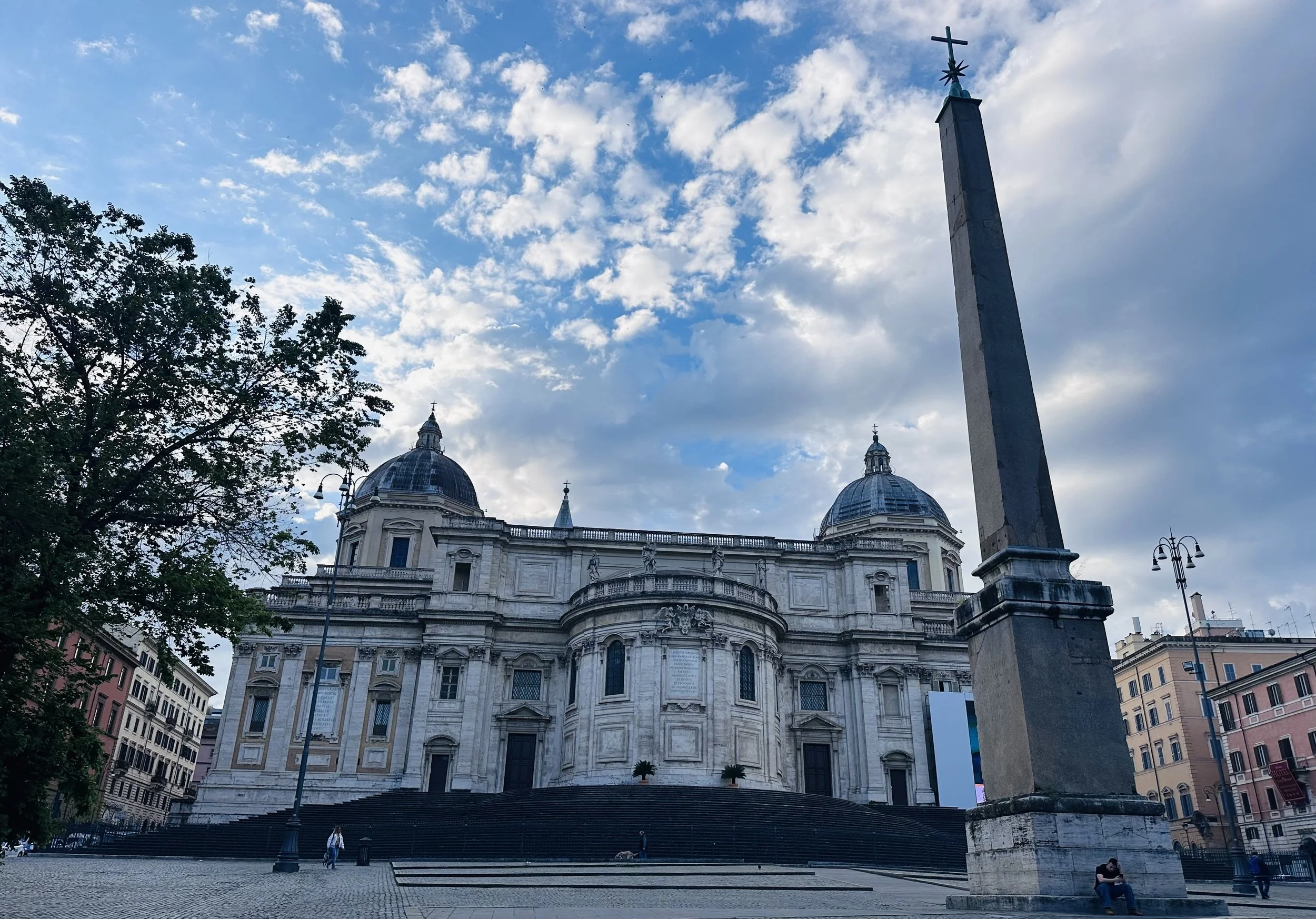
My journey from the ancient marbles of Athens to the lush rolling hills of Tuscany felt like a continuation of a theme. If Greece was a masterclass in reorienting towards hope, Lucca became a living laboratory for its cultivation. My journey from Greece was meant to be a tightly orchestrated trip including a flight to Rome, a quick dash to the train station, and a connection to Pisa by late evening. But the universe had other plans and a flight delay blew my schedule apart, leaving me stranded in the heart of Rome at night. With the next train departing in the morning, I turned on my data and found a hotel to sleep in for the night. As fate would have it, I checked into the Hotel California and while I was happy to leave the next morning, I first took a sunrise walk through the streets of the neighborhood around the train station. I stumbled upon grand basilicas with towering spires and paved piazzas where ancient ruins merged with modern innovation like stone ghosts. I even found myself succumbing to the charm of a local street market, purchasing a few shirts and heading back to the station with an extra bag in tow. It was a brief taste of Rome that made me promise to return.
The train ride towards Lucca passing through the station at Florence was a shift as the landscape transformed into the Tuscany of the movies. I saw rows of cypress trees standing like sentinels and vineyards clinging to the hillsides. I noticed a recurring palette in the small towns we passed where homes were painted in hues of terracotta, ochre yellow, olive green, and warm gold. The weather that greeted me in Lucca as I got off the train was a perfect Spring warmth and near the station the familiar sounds of West African Pidgin English caught my ear, acting as a surprising and soulful reminder of how small our world truly is. I felt instantly at home.
I was met by my dear friend Moneshia whom I have known for decades, since our days in New York when our young children went to Sunday school together. She and her husband Johannes moved to Lucca two years ago from Germany once their children moved out of the home, walking away from the corporate grind to find a more profound way to give back.
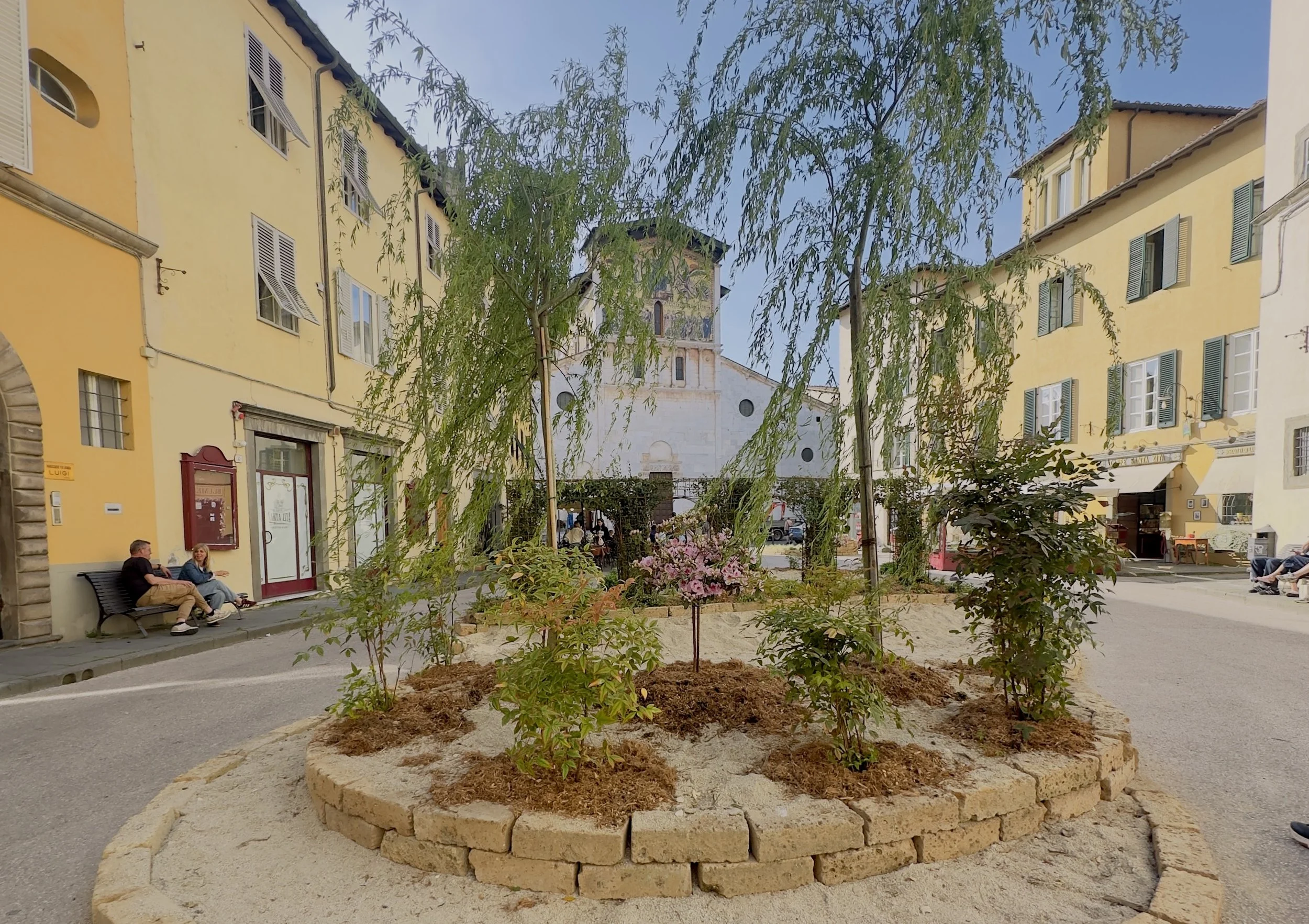
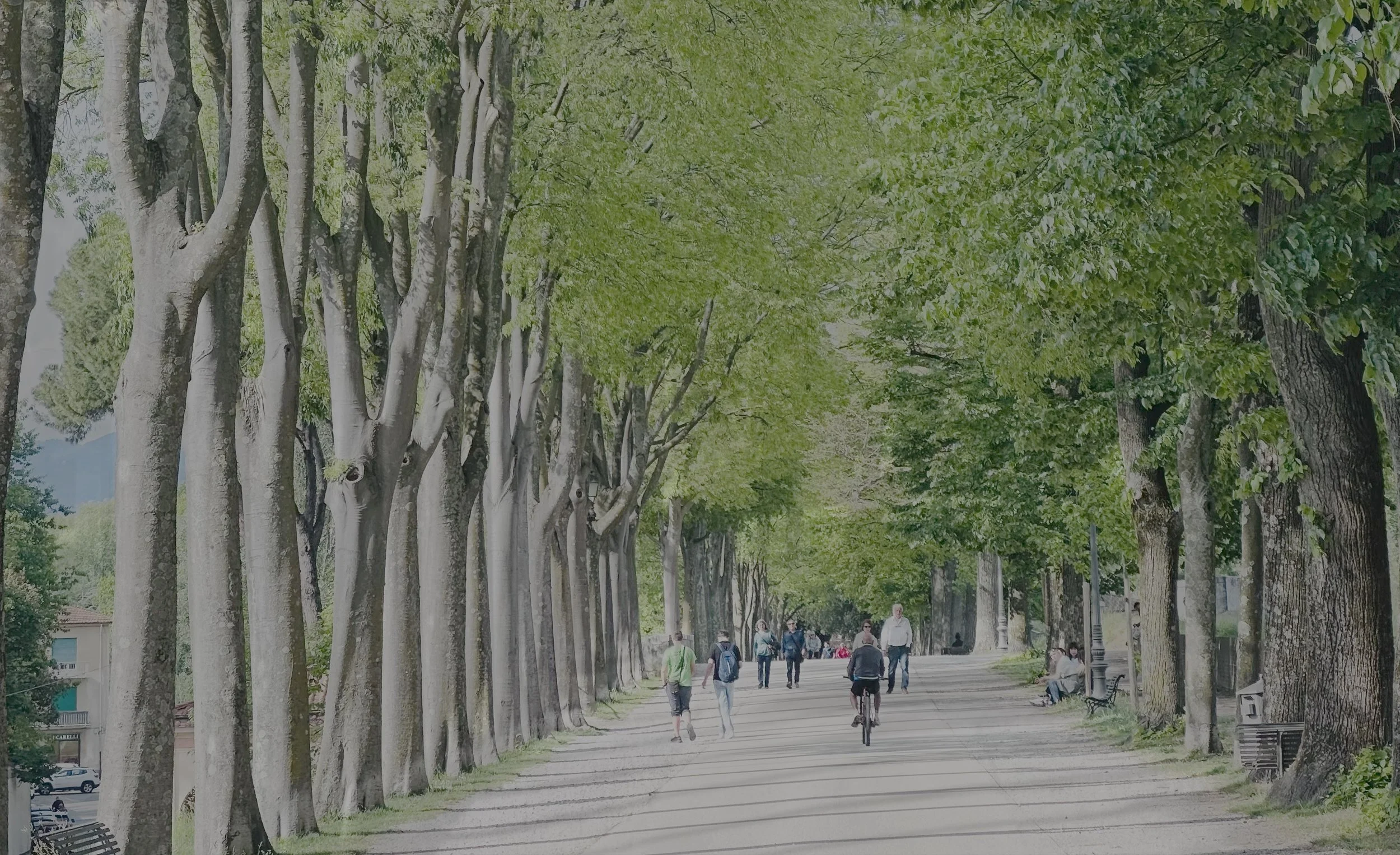
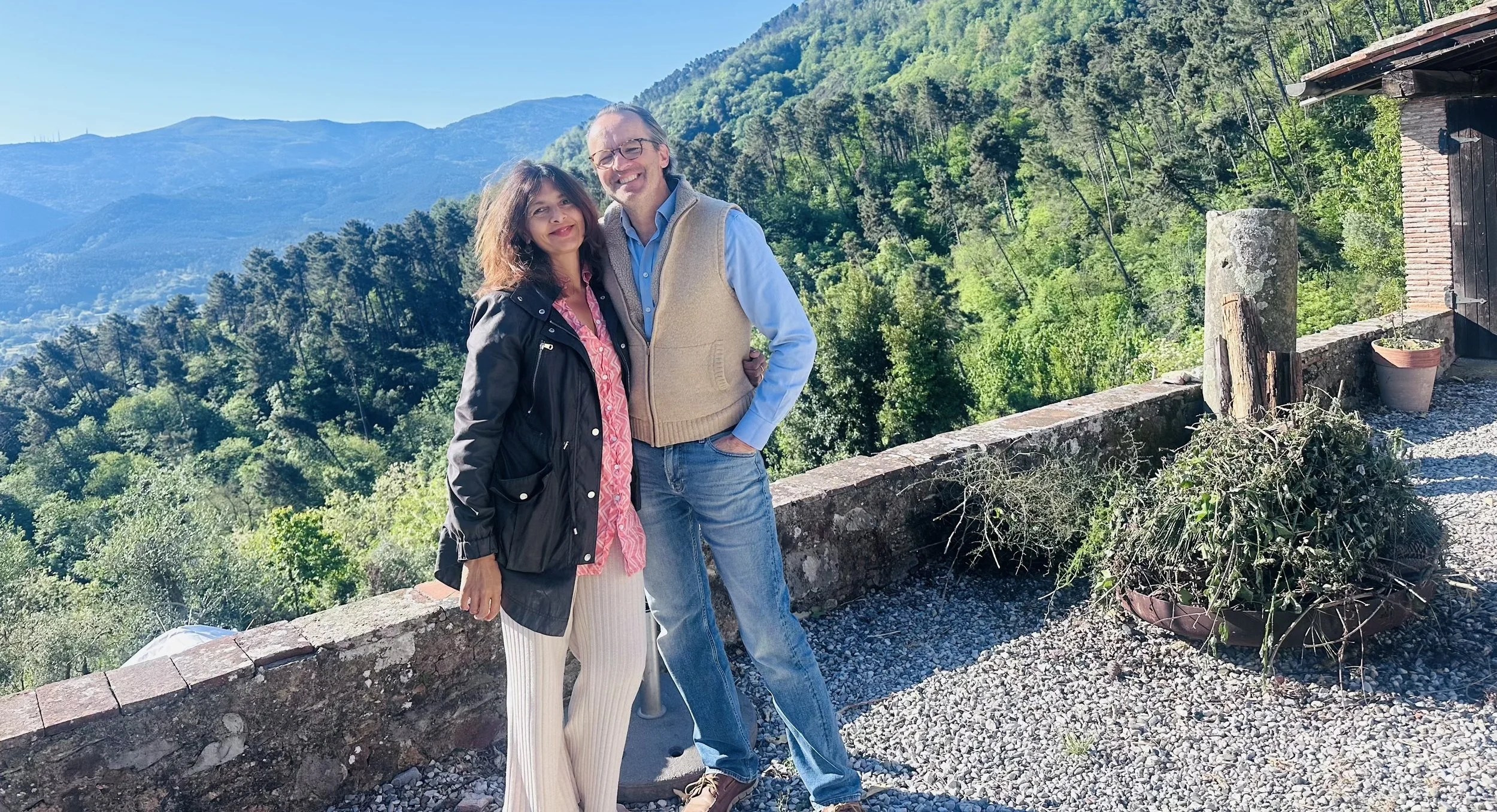
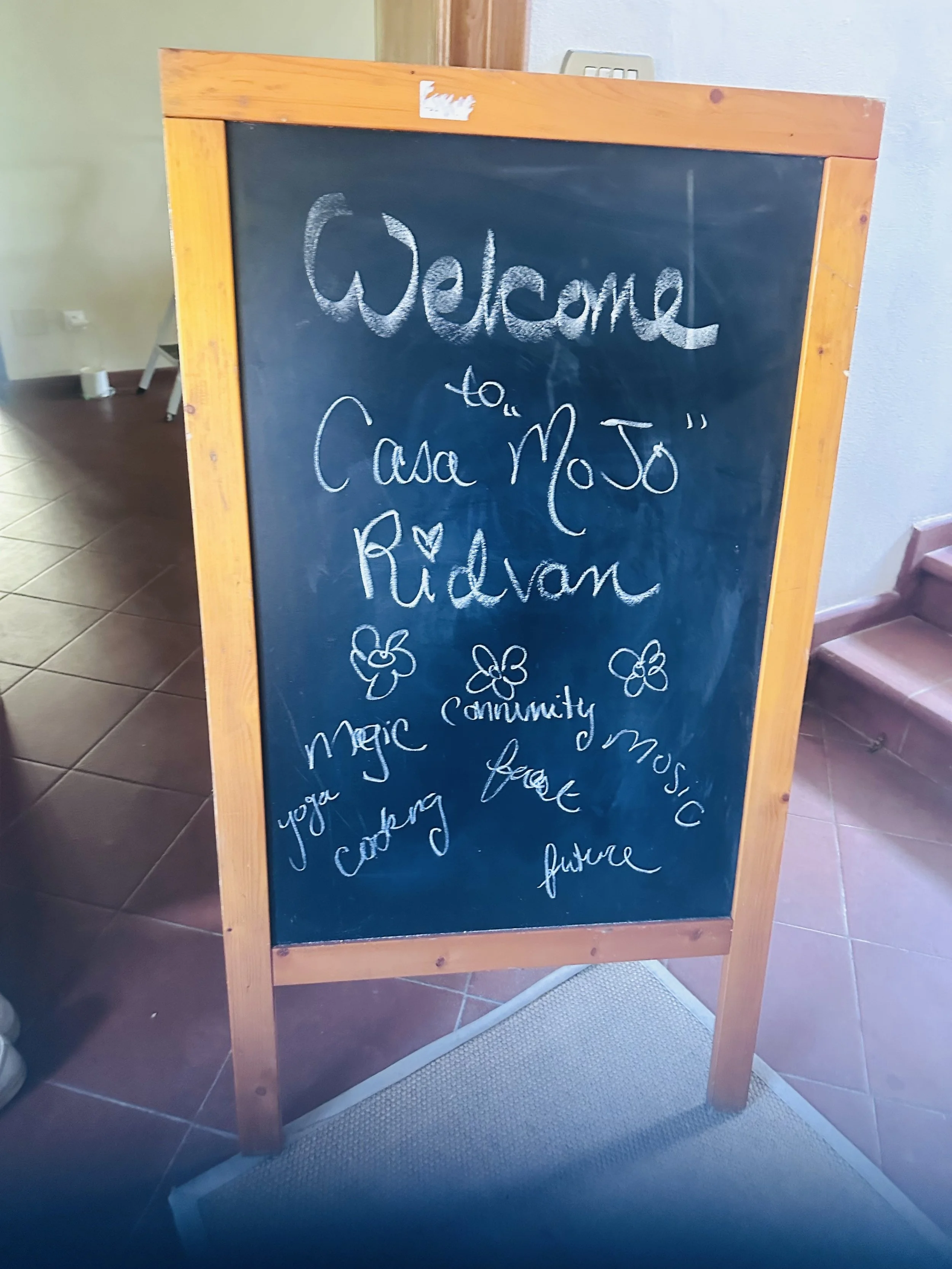
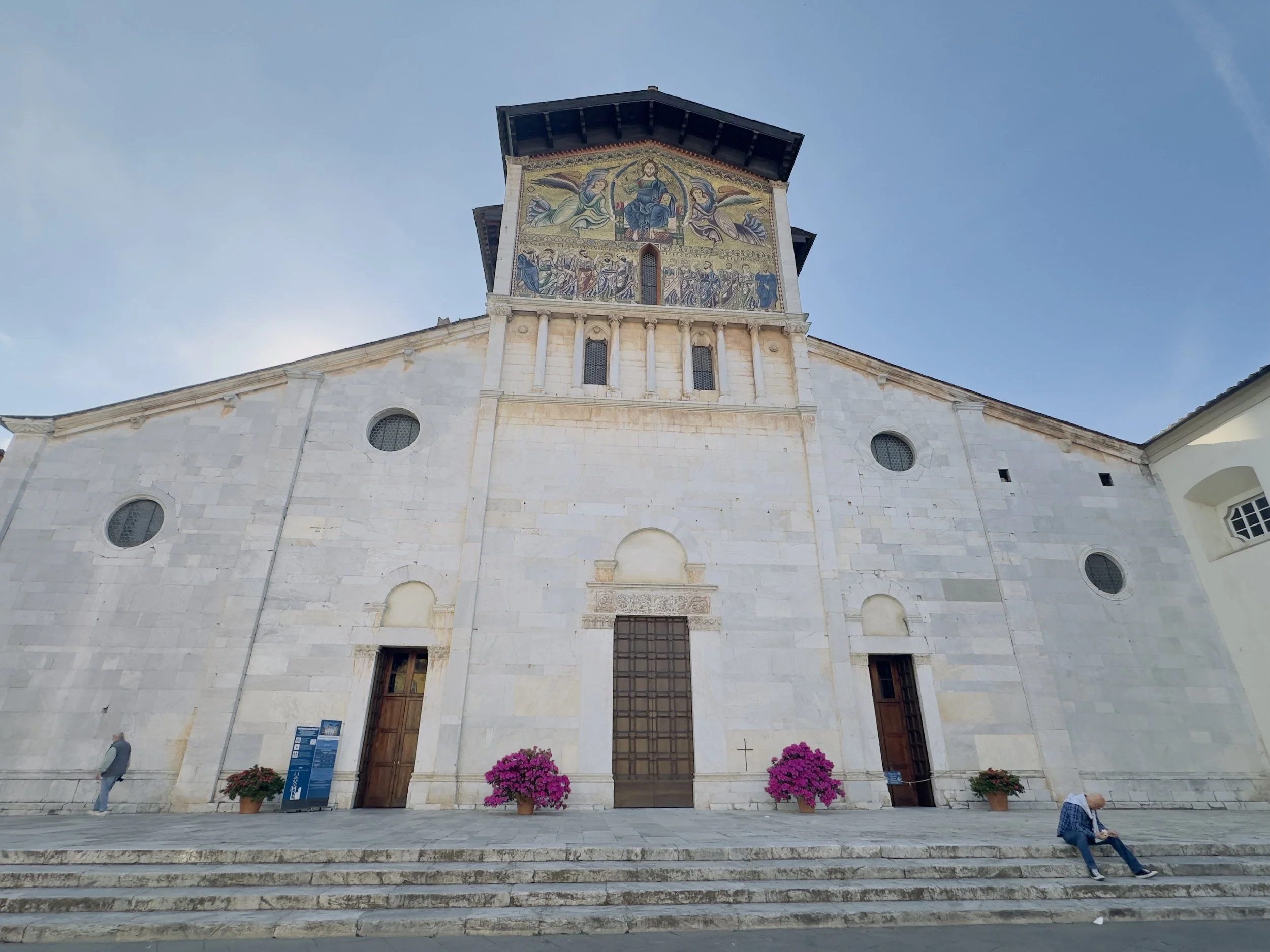
We drove in her tiny car designed for the narrow roads through town and up toward the hills to their villa in the woods. Their home is a classic Tuscan sanctuary where two fragrant lemon trees stand guard in front of the main house, currently under renovation. A few lemons were later transformed by Moneshia’s mother, Joban, into the most delicious lemon curd I have ever tasted. Beyond the villa, the city of Lucca itself is a jewel held within massive Renaissance walls that have been converted into a wide, tree-lined promenade. Within those walls, the city feels like a medieval dream of narrow cobblestone lanes, hidden piazzas, and church towers reaching toward the blue sky. Lucca was once known as the city of 100 churches. I walked those streets and found warmth in the local Italians I met. It was here that I tasted the most incredible gelato, adventurous and delicate flavors like mango kefir and a fragrant saffron, pistachio, and rose.
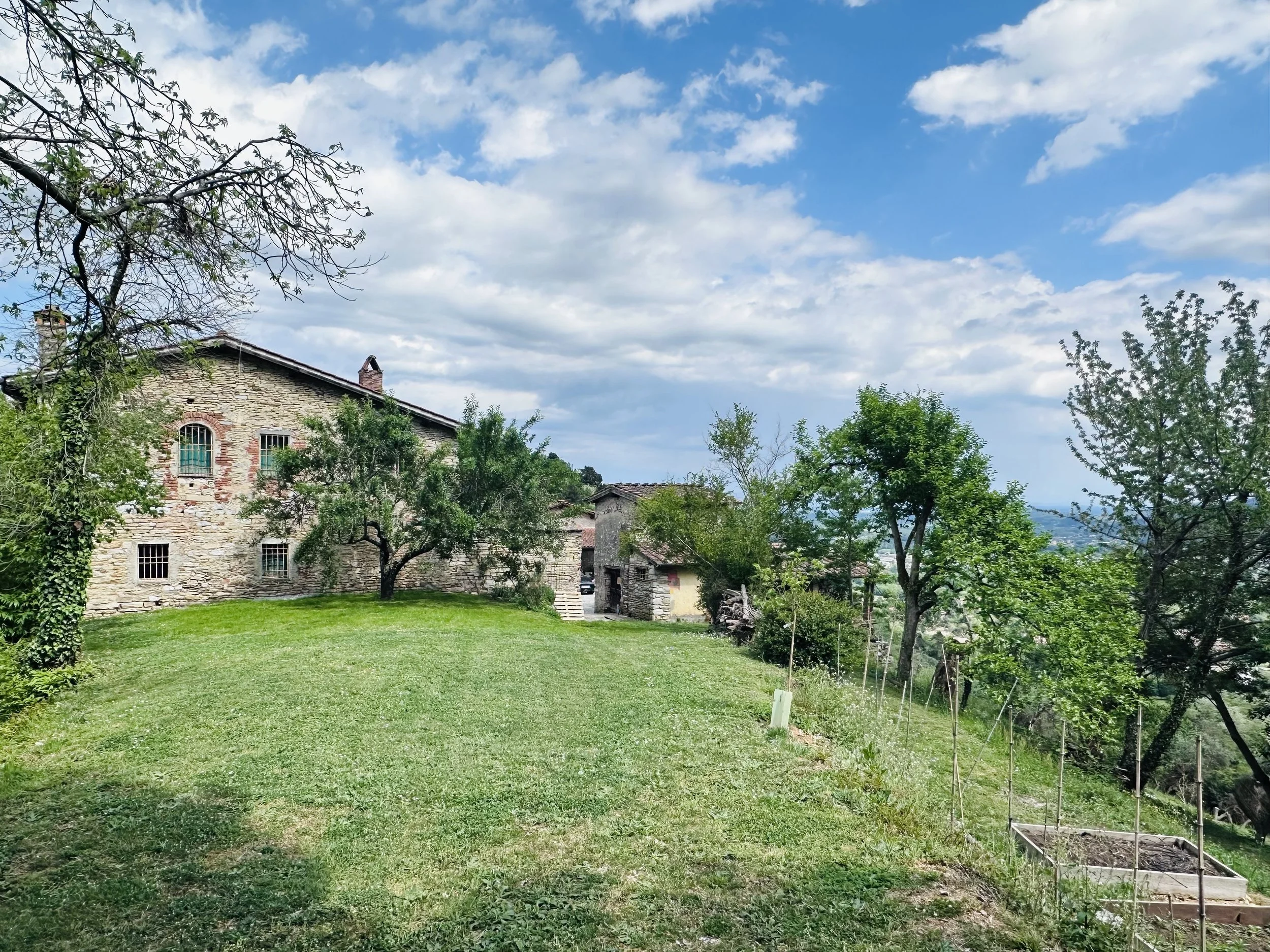
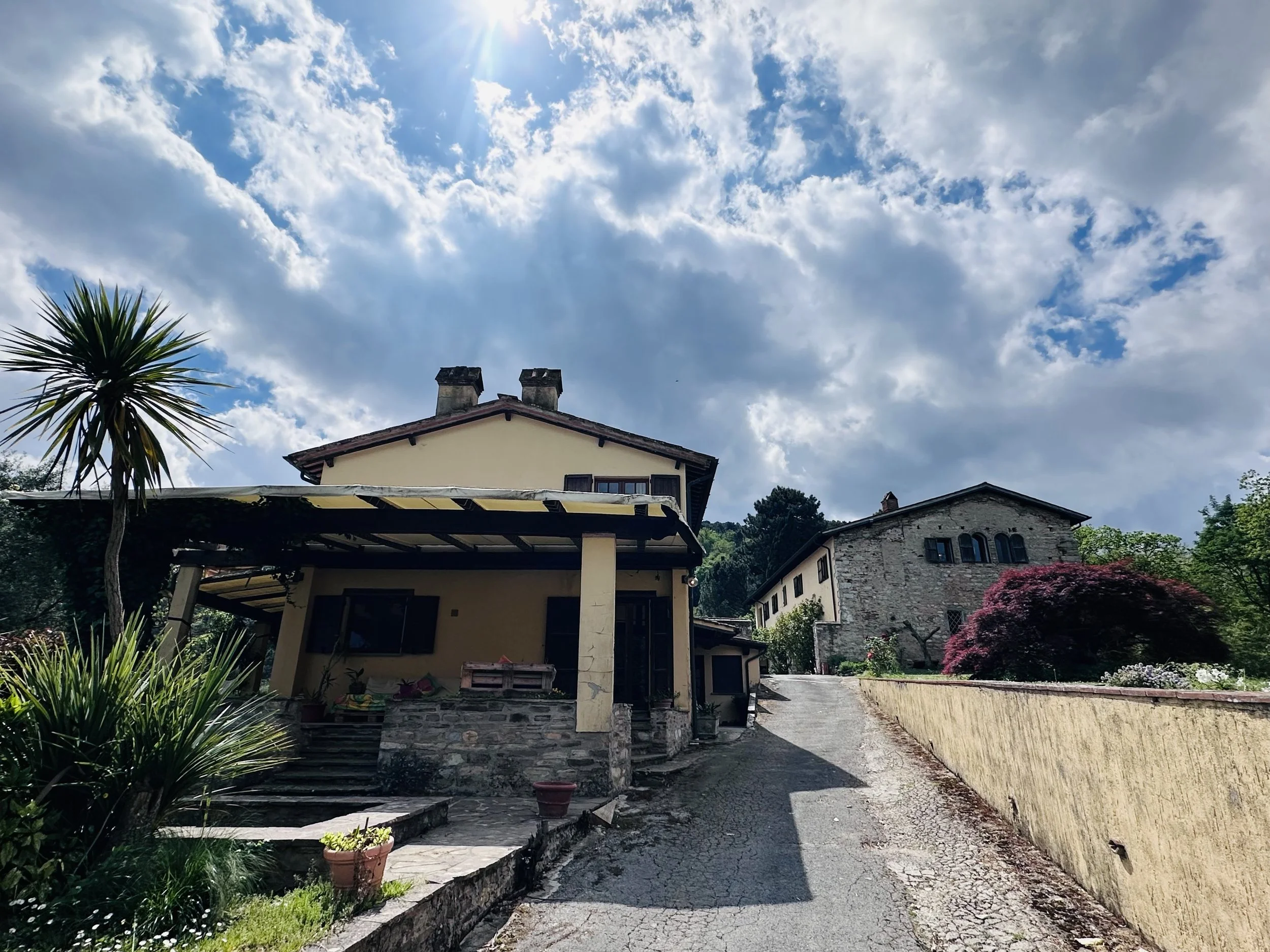
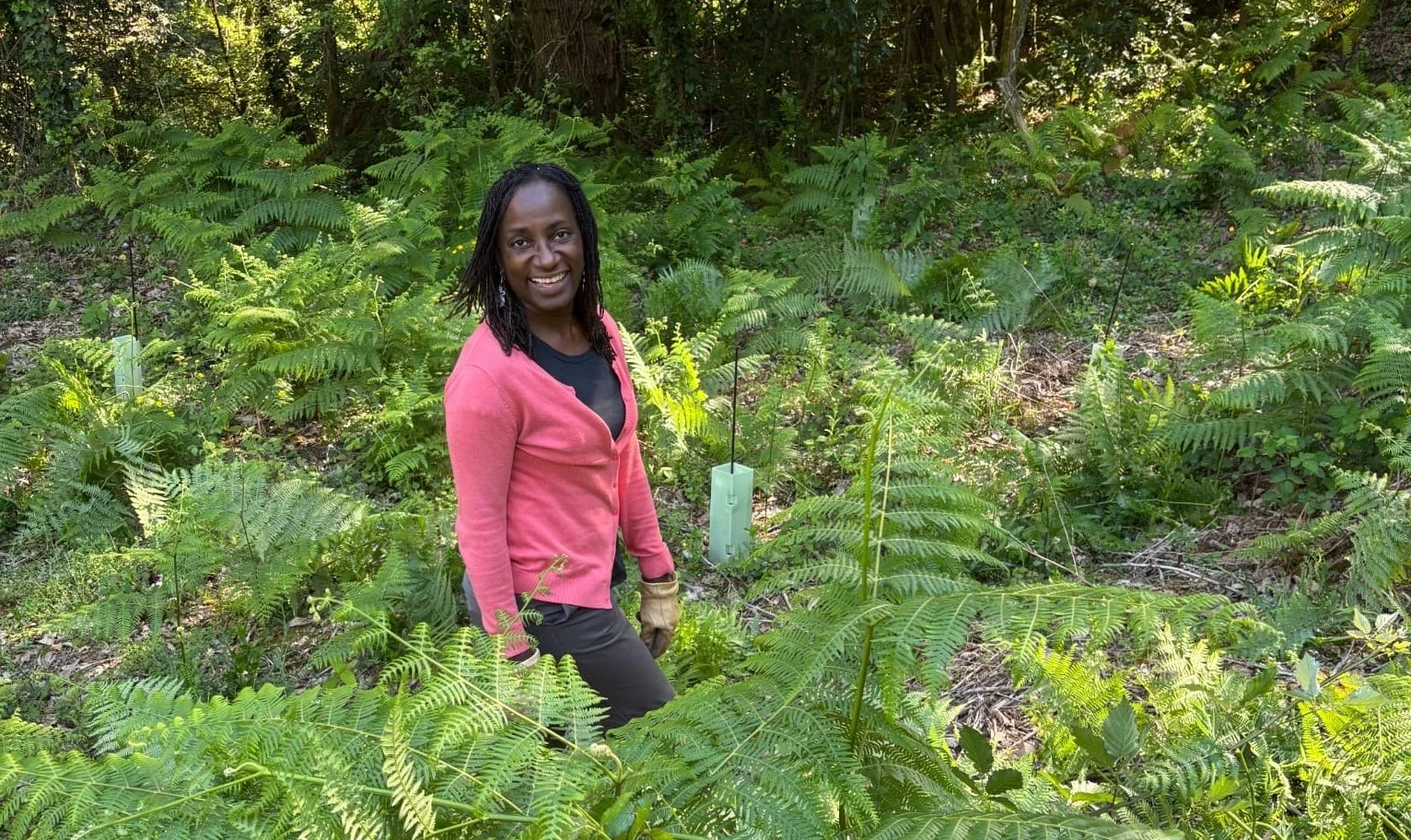
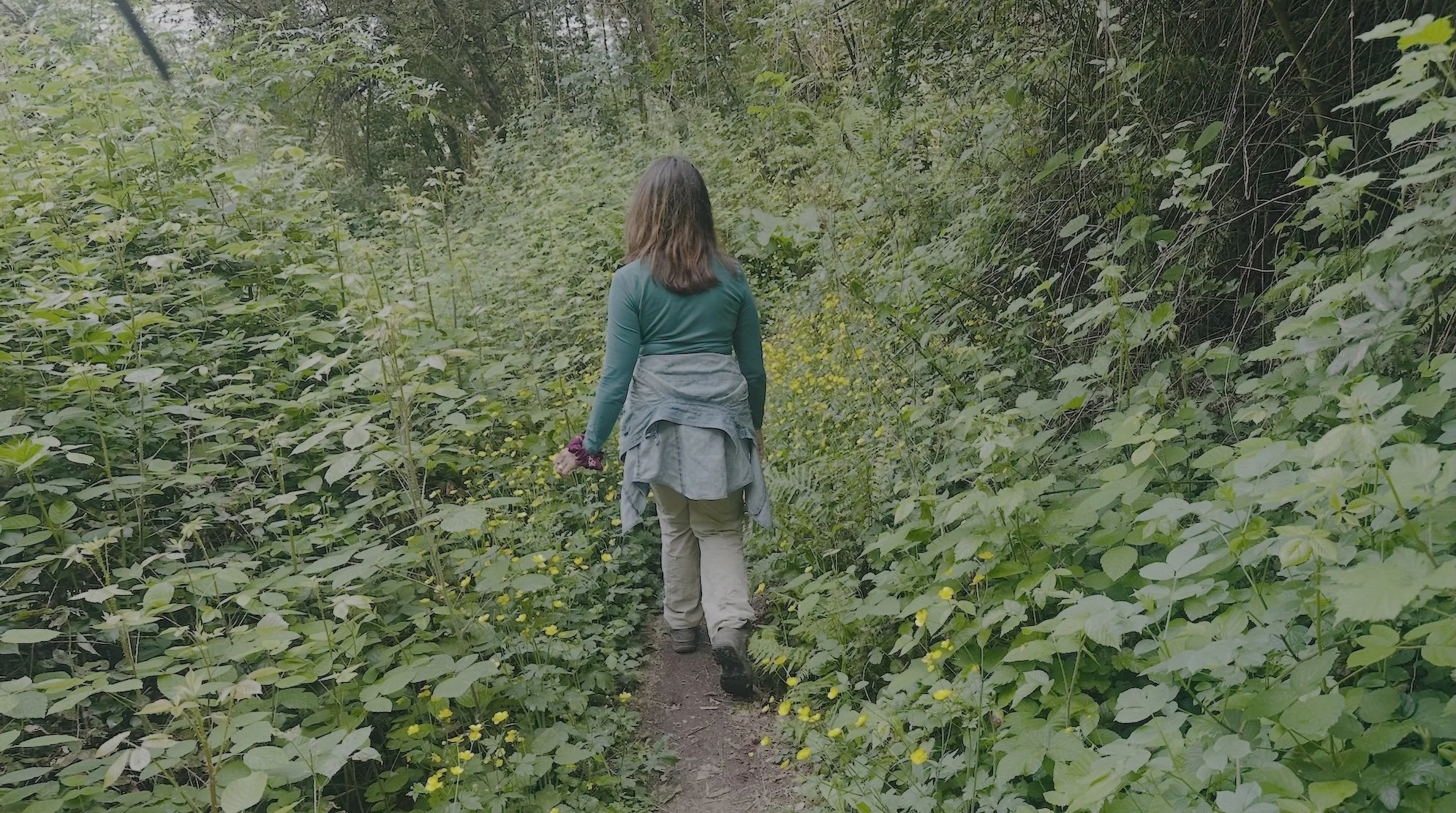
They acquired the villa for the land that surrounds it and then purchased acres of forest with a mission of earth stewardship through their organization, Forest4Future. They are transforming a property that was dying, taken over by invasive ivy and brambles choking out the native trees. I spent some of my time there rolling up my sleeves to help clean the yard and work in the forest, finding myself happily transformed from a guest into a participant. I learned from Johannes about the oak varieties they are planting to replace the aggressive vines. When I asked why they chose oak, he gave me a lesson in their resilience, their ability to sequester carbon, and their sheer longevity. These trees will not reach maturity for another forty years or so, but they are taking to heart the quote of Oliver Wendell Holmes, “When we plant a tree, we are doing what we can to make our planet a more wholesome and happier dwelling-place for those who come after us if not for ourselves”. This reminds us that we plant for the prosperity of the planet and future generations. Two years ago they bought a hill full of weeds but today that hill has been terraced and five hundred oak trees now lace the landscape. To date, through collaboration with other like minded partners, their global mission has seen the planting of twenty thousand trees across Italy, Germany, Canada, and India.
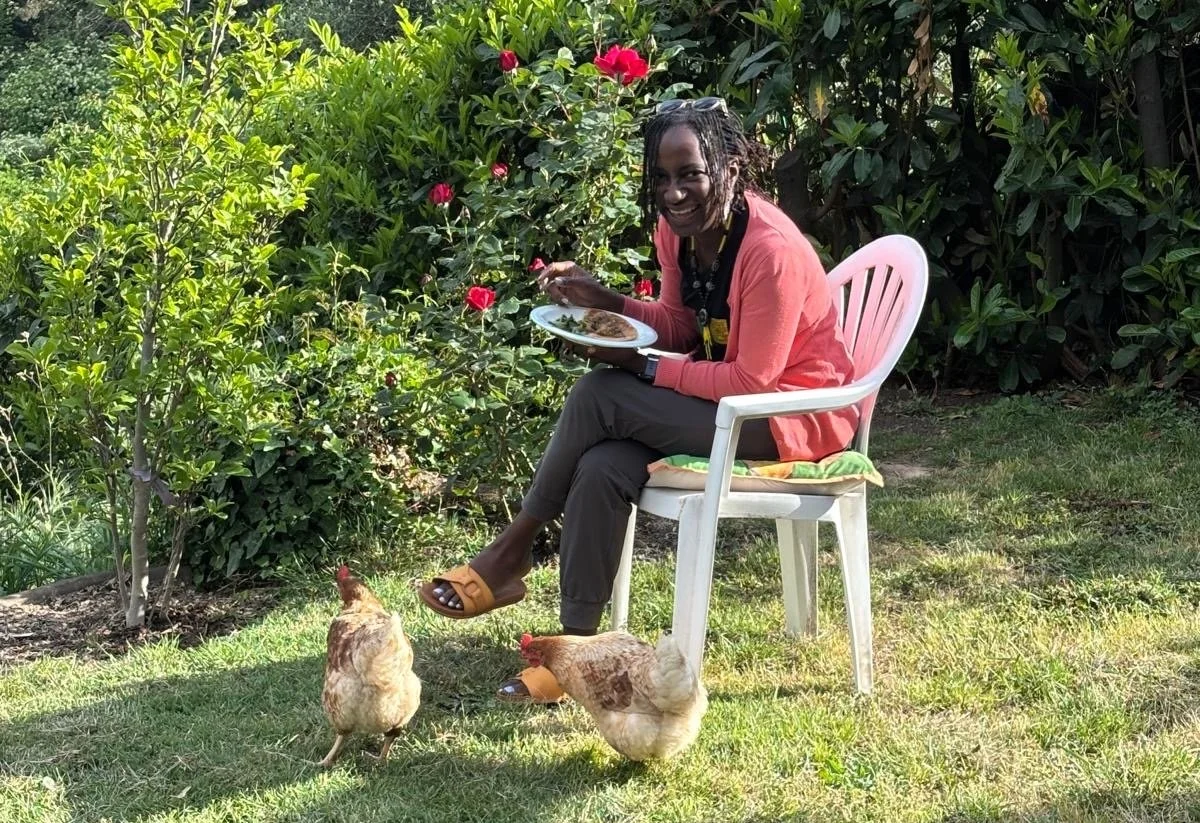
Beyond the labor there was a beautiful daily rhythm defined by living off the land and the incredible freshness of the food. We spent time cutting fresh herbs from the garden for meals, making mulberry syrup from the flowers foraged during a hike, and gathering eggs from their five chickens daily. Every meal was anchored by daily fresh baked bread and local cheeses that carried the rich flavors of the Tuscan soil. Moneshia shared that they are creating meaningful connections with the local community, including plans for a summer camp for children on their property involving forest school, foraging, water play and more. She explained that she is letting the space be shaped by the land and the people who interact with it, detaching herself from a rigid final outcome to remain present in the laboratory of the moment.
My stay also included a drive to a nature reserve bird sanctuary and a visit to the coastal town of Viareggio. With its Art Nouveau pavilions and fishing port, it felt like a down to earth version of Venice Beach without the tents of homelessness. We passed through Forte dei Marmi, the fort of marble quarries, where marble sculptures adorn every roundabout, and the picturesque hill town of Pietrasanta, which is known for its galleries and restaurants. We also visited a foundry, Fonderia d’Arte Del Chiaro, to see how they turn copper into sculptural art in the old ways, though Alberto, our guide, told us sadly that this is a dying art.
The eve of my departure, we found ourselves laughing at the absurdity that people refer to stage of their life as retirement, yet they aren’t working less, just differently, while finding a new kind of balance. The word retirement simply did not fit the energy of this life, so we spent our time jokingly brainstorming names for this specific phase and settled on the BigEnding — a play on ending of one phase that is actually a beginning of a phase leading up to the end of one’s fleeting life. Unless we stumble upon a better term we are sticking with it. I wondered, what will my BigEnding look like?
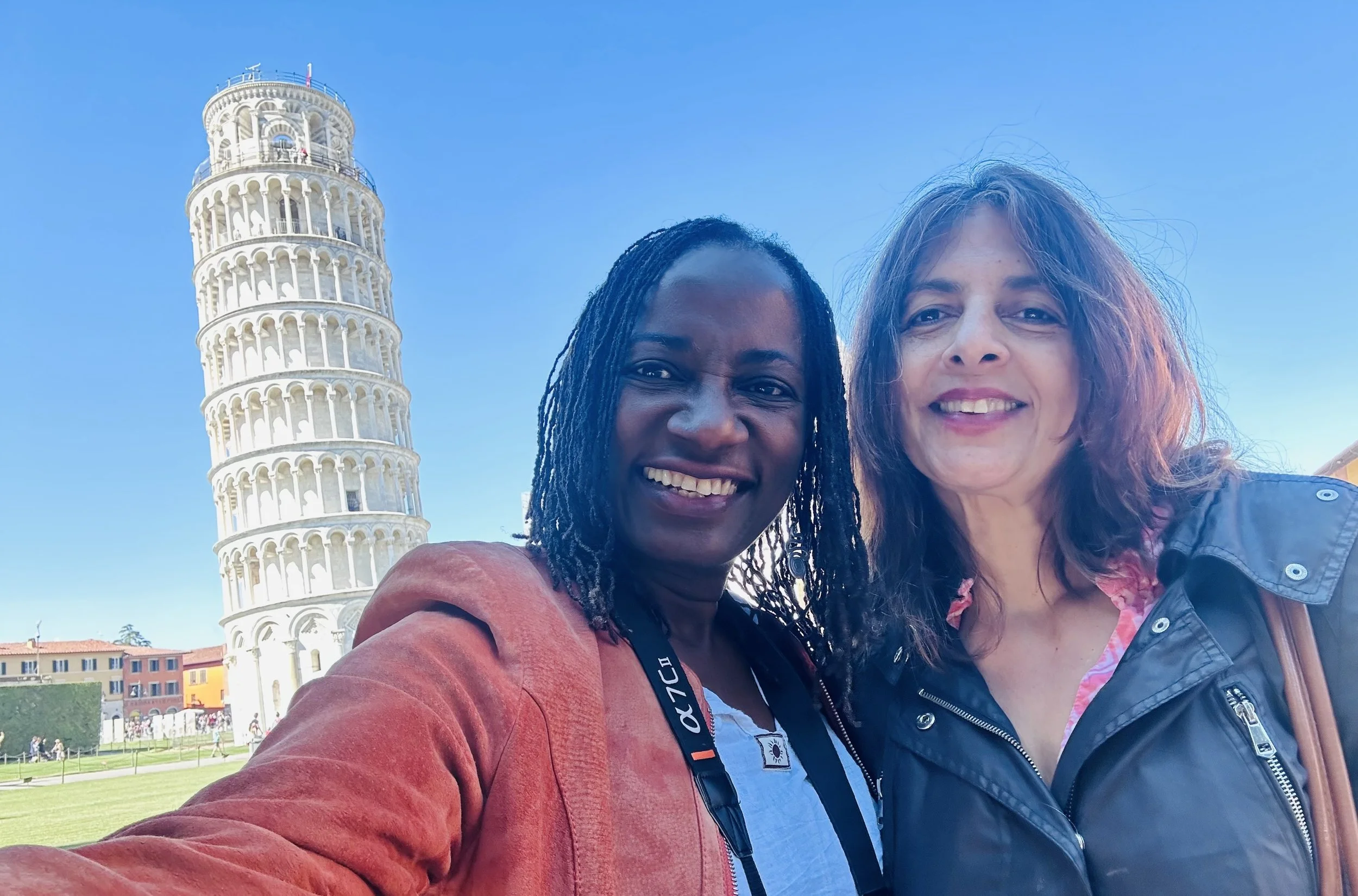
On the way to the airport in Pisa, we stopped by the famous leaning tower. The road leading down to the town was a windy path with umbrella pines forming a beautiful pathway along the road as we descended into Pisa. The tower, smaller than I imagined from photos, was still a site to behold with its white marble and famous tilt, serving as a great ending to a short but impactful journey. A fitting way to conclude my sort stay in Italy.
As I travel, I am seeing a pattern that is gaining momentum — people taking charge and pouring their time and money into action rather than waiting for the world to give them permission. It is an inspiring example of how individuals are resisting apathy and acting on what they know is right to make this narrow window of time count. While spending these days with my dear friends, I realized they are a perfect example of this reorientation toward hope, creating a blueprint for how one can influence their own community. I left feeling like I had found another piece of the story of those who are planting seeds of hope and taking action now.
You can learn more about this endeavor at Forest4Future.eu. Consider supporting this incredible effort.
Thank you for reading. Please share, follow, and subscribe. You can find me on Substack and at ridvanfoxhall.com
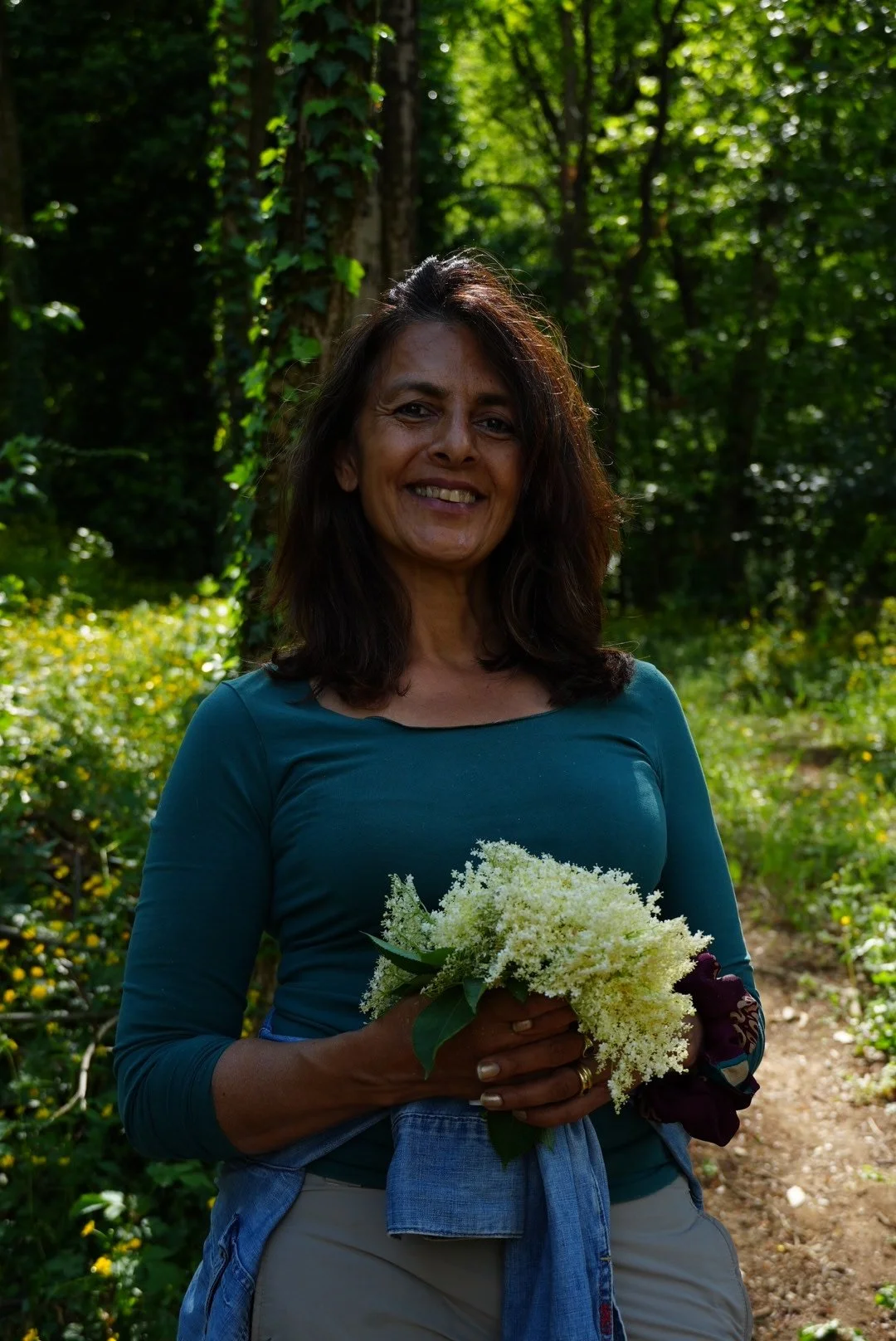
Photos by Ridvan, except photo of me taken by Johannes